Cheap Ilford rubbish clearance real cost breakdown
Posted on 22/10/2026
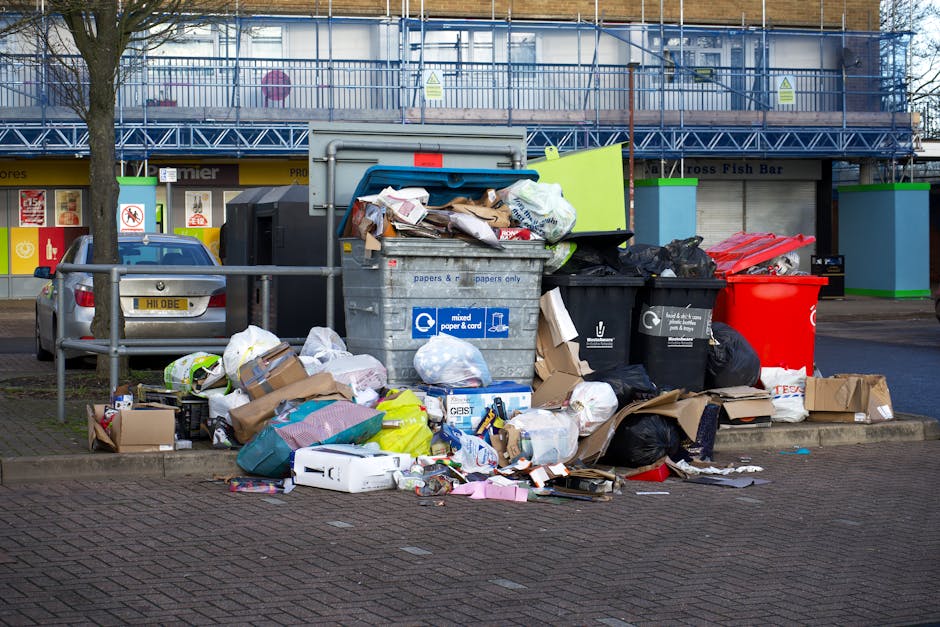
If you're trying to work out the cheap Ilford rubbish clearance real cost breakdown, you're probably asking a very practical question: what should this actually cost, and where do the extras creep in? Fair question. A quick quote can look affordable at first glance, then suddenly the job becomes more expensive because of labour, access, weight, or waste type.
This guide breaks the cost down in plain English. We'll look at what affects pricing, how clearance jobs are usually priced in Ilford, how to spot hidden charges, and when a "cheap" service is genuinely good value rather than just low on paper. If you're clearing a flat off Ilford Lane, sorting a garden after a damp week, or dealing with a bulky pile in the hallway, the basics are much the same. You want it gone without paying for things you didn't need.
Let's get into the real numbers, the common traps, and the simple decisions that can save you money without making the job harder than it needs to be.
- Why the real cost breakdown matters
- How rubbish clearance pricing works in Ilford
- Key benefits of knowing the true cost
- Who this is for
- Step-by-step guidance
- Expert tips for better value
- Common mistakes to avoid
- Tools, resources and recommendations
- Law, compliance and best practice
- Options and comparison table
- Real-world example
- Practical checklist
- Conclusion
- Frequently asked questions
Why Cheap Ilford rubbish clearance real cost breakdown Matters
Price matters because rubbish clearance is one of those services where the headline number can be a bit misleading. Two quotes may look close, but one includes labour, loading, disposal, and congestion-friendly scheduling, while the other is just a base price that balloons once the van arrives. That's where people feel caught out.
In Ilford, this matters even more because access can vary a lot. A ground-floor house with front drive is very different from a third-floor flat with no lift, a narrow stairwell, and limited parking outside. You can almost hear the extra footsteps and the trolley bumps just thinking about it. Time on site costs money. So does extra handling. So does heavy waste.
Understanding the real cost breakdown helps you compare quotes properly, not just chase the lowest number. It also helps you plan the job in a way that keeps costs down. For example, if you know mixed waste is more expensive than a tidy load of cardboard and bagged household junk, you can sort a bit in advance and save yourself a few headaches.
Expert summary: The cheapest quote is not always the cheapest job. The real value is a clear price, honest load assessment, sensible labour time, and proper disposal with no surprise add-ons at the door.
That simple shift in thinking saves people money more often than you'd think.
How Cheap Ilford rubbish clearance real cost breakdown Works
Most rubbish clearance jobs are priced using a combination of volume, weight, labour, access, and waste type. Some companies use van load pricing, others use a minimum call-out charge, and some blend both. Truth be told, the pricing method matters less than whether it is explained clearly before the job starts.
Here's the usual structure:
- Minimum charge: the smallest job price, often covering van dispatch, fuel, and basic labour.
- Volume-based pricing: based on how much space your rubbish takes in the van.
- Weight-sensitive pricing: heavier waste can cost more to dispose of, especially if it includes soil, rubble, or other dense materials.
- Labour time: if items need carrying down stairs, from the back garden, or through tight access points, the job takes longer.
- Special waste handling: some materials need separate handling and can push up the price.
To make it real, imagine you have a sofa, a dismantled wardrobe, four black bags, and a couple of broken shelves. That may sound small. But if the sofa is on a top floor and the wardrobe needs dismantling first, the job suddenly becomes more than a "quick load." It's not dramatic, just reality.
Some companies will ask for photos on WhatsApp or email before giving a quote. That's useful because it reduces guesswork. A good quote should tell you what is included, what might cost more, and whether the price could change if the load is bigger than described. If a company won't explain that, be cautious.
For a broader look at what a provider typically covers, it can help to review the services overview and match that against your own job size before you book.
Key Benefits and Practical Advantages
Knowing the true cost breakdown gives you more than just a price comparison. It gives you control. And honestly, that's the part most people want.
- You avoid surprise fees. Hidden extras are easier to spot when you know what should be included.
- You can prep the waste properly. Bagging, separating, and stacking items neatly can reduce labour time.
- You compare quotes fairly. You're not comparing apples with a wheelbarrow full of bricks.
- You choose the right service. A small household load, a house clearance, and builders' waste are not priced the same way.
- You reduce wasteful spending. Paying for empty air in a van is not ideal, to put it mildly.
There's also a less obvious benefit: better planning. If you know the price depends on access, you can make the job faster by clearing hallways, unlocking gates, and parking as close as possible. Small things, but they add up. In our experience, the easy jobs are usually the ones where the customer has done a little prep and the team can move straight in.
That can be the difference between a decent price and a frustrating one. You'll notice it immediately when the crew arrives and there's room to work. Quiet, simple, done.
Who This Is For and When It Makes Sense
This kind of breakdown is useful for almost anyone arranging rubbish removal in Ilford, but it is especially helpful if you fall into one of these groups:
- Homeowners clearing out old furniture after a move, renovation, or long-overdue declutter.
- Tenants who need to leave a property tidy without paying over the odds.
- Landlords and letting agents dealing with leftover furniture, bagged waste, or abandoned items.
- Small businesses that need office furniture or mixed waste removed quickly.
- Garden owners with green waste, broken fencing, or old outdoor clutter.
- Builders and trades managing post-job debris that cannot be left on site.
It makes sense whenever you need a quick, legal, and relatively tidy way to remove waste without hiring a skip or doing multiple tip runs yourself. That said, if your load is tiny, it can be sensible to wait until you have enough waste to make collection worthwhile. Not always, but often. A half-filled van for one bag is rarely the smartest use of money.
If you're unsure which type of clearance you need, a service like your rubbish removal needs can help you think through the right approach before you book anything.
Step-by-Step Guidance
Here's the simplest way to approach a rubbish clearance quote in Ilford without overpaying.
- List what needs removing. Be specific. "General rubbish" is not as useful as "one sofa, six bags, a bedside cabinet, and some packaging."
- Check whether the items are heavy, awkward, or delicate to carry. A mattress is different from a pile of cardboard. A bag of rubble is different again.
- Take clear photos. One wide shot and a couple of close-ups usually help enough for a quote. Natural light is best, if you can manage it.
- Ask what is included. Labour? Loading? Disposal? VAT if relevant? Any stair fee or minimum charge?
- Ask about access. Let the company know about flats, parking restrictions, shared entrances, locked gates, or long carries.
- Compare the full price, not just the headline. The cheapest upfront number is not always the best final bill.
- Prepare the waste before collection. Separate recyclables where possible, bag loose items, and keep the area accessible.
- Confirm the booking details. Time slot, payment method, and what happens if the load changes.
A small but important tip: if the company offers a quick estimate, ask whether it is a guide price or a fixed quote. Those are not the same thing. A guide price can shift. A fixed quote should be much clearer. Small wording, big difference.
Expert Tips for Better Results
Here are the practical moves that usually save money or at least stop the price from drifting upward.
- Group your waste by type. Mixed waste can cost more to process than one neat category.
- Flatten what you can. Cardboard boxes, dismantled shelving, and broken down packaging take less space.
- Move the pile closer to the exit. Every extra metre matters when someone is carrying it out by hand.
- Be honest about the volume. Underestimating the load usually leads to awkward conversations on arrival. Nobody wants that.
- Book at a sensible time. Same-day collections can be brilliant, but urgent jobs may cost a little more.
- Consider whether a full house clearance is better than piecemeal removal. Sometimes one organised visit is cheaper than several small ones.
One practical observation from real-world jobs: the customers who save most are usually the ones who reduce friction. Clear access, clear information, clear photos. That's the pattern. Not glamorous, but effective. And yes, the hallway being clear makes everybody happier.
If your job involves wet garden waste, soil, or broken outdoor items, it may be worth looking at a more specific service such as garden waste removal in Ilford. Likewise, builders' rubble often needs a different approach, which is why builders' waste disposal in Ilford can be more suitable than a general clearance.

Common Mistakes to Avoid
A lot of avoidable costs come from the same few mistakes. The good news is they're easy to dodge once you know them.
- Choosing solely on the lowest headline price. A cheap quote with lots of exclusions is not really cheap.
- Not mentioning stairs or access issues. This is where surprises tend to happen.
- Mixing heavy waste with light waste without warning. Soil, bricks, tiles, and rubble can change the cost significantly.
- Leaving everything loose and scattered. That adds labour time and slows the team down.
- Assuming all companies price the same way. They don't. Some are more transparent than others.
- Forgetting about restricted parking. In parts of Ilford, parking and loading access can be a real factor.
Let's face it: nobody wants to stand in the doorway while a price changes because a cupboard was bigger than expected. The fix is simple enough. Describe the job properly, ask direct questions, and get the price structure confirmed before anyone turns up.
If you want to avoid the classic booking errors, this guide on mistakes to avoid when booking Ilford rubbish removal is worth a look before you commit.
Tools, Resources and Recommendations
You do not need a toolkit to book rubbish clearance, but a few simple things make the process smoother and cheaper.
- Your phone camera: clear photos help with accurate quoting.
- Basic bin bags and tape: useful for bundling loose items and keeping small bits together.
- A tape measure: handy for larger furniture if you're unsure whether it will fit through doors or lift access.
- Pen and paper or notes app: keep a list of items, especially if several people are adding to the pile.
- Labels or simple grouping: separate recyclable material, general waste, and anything heavy if possible.
For trust and service clarity, it is also worth reviewing a company's basic policies before booking. A proper website should make it easy to find details on pricing and quotes, insurance and safety, and recycling and sustainability. That tells you a lot about how seriously they treat the job.
For payment reassurance, you can also check payment and security, which is one of those small trust details people often forget until the last minute. A bit dull perhaps, but useful.
Law, Compliance, Standards, or Best Practice
Rubbish clearance in the UK needs to be handled responsibly. You do not need to become an expert in waste law to book a collection, but it helps to understand the basics. Waste should be taken away and disposed of properly, and anyone removing it should do so in a way that avoids fly-tipping and unsafe handling.
Best practice usually means the following:
- the waste is collected by a legitimate operator;
- the load is transported safely and securely;
- items are sorted or diverted for recycling where practical;
- special care is taken with awkward, sharp, heavy, or potentially hazardous materials;
- the customer receives clear information about what is being removed.
If you are comparing rubbish clearance with skip hire, remember that skip hire can involve permit considerations, especially on public roads or in tighter residential streets. If that route is part of your thinking, you may want to read the local guidance on skip hire permit rules in Ilford. It can save you from a very avoidable admin problem.
There is also the local bulky-waste angle. In some situations, council collection may suit you better than a private clearance. In others, it won't. This article about Ilford council rules for bulky waste collection and fines is useful if you're trying to decide which route is right for your situation.
Best practice is simple: use a provider that is clear, insured, and upfront about cost. If something sounds vague, ask again. Twice if needed. Better a slightly awkward question than an unpleasant bill.
Options, Methods, or Comparison Table
Here's a straightforward comparison of the main ways people deal with rubbish clearance in Ilford. The right choice depends on volume, time pressure, access, and how much effort you want to put in yourself.
| Option | Best for | Typical pros | Possible drawbacks |
|---|---|---|---|
| Private rubbish clearance | Mixed loads, awkward access, fast removal | Convenient, labour included, usually flexible | Can cost more if access or waste type is tricky |
| Skip hire | Longer DIY clear-outs or renovations | Good if you can load it yourself over time | Permit issues, space needed, lifting effort falls on you |
| Council bulky waste collection | Smaller, simpler items where timing is flexible | Can be cost-effective in some cases | May have limits, delays, or restrictions on item types |
| Multiple DIY trips | Very small loads and available transport | Low direct cash outlay if you already have a vehicle | Time, fuel, effort, and disposal rules can be inconvenient |
If the job is light but bulky, private clearance is often the easiest. If it's a larger project and you're happy to do the lifting, skip hire might work. And if you only have a couple of items, council collection or a more targeted approach may be more sensible. It really is about matching the method to the mess.
Case Study or Real-World Example
Here's a realistic example from the kind of job that comes up all the time in Ilford.
A tenant leaving a two-bedroom flat had one broken wardrobe, a small sofa, several bags of mixed household waste, an old desk, and some packaging from a recent move. On paper, it looked like a straightforward clear-out. But the flat was on the second floor, the stairwell was narrow, and parking outside was limited to a short loading space. Nothing outrageous, just one of those jobs that takes a bit more effort than expected.
The useful part was that the customer sent photos in advance and listed everything clearly. That meant the quote could account for the access issue, the mixed waste, and the need to break down the wardrobe. No drama, no last-minute guessing. The job was scheduled for a morning slot so the team could work before the street became busier.
The lesson? The real cost was not just about the amount of waste. It was the combination of waste type, carrying time, and access. If the customer had simply said "a few bits and bobs," the quote would have been less accurate and probably more stressful. Clear information tends to save money. Funny how that works.
In areas where access is a recurring issue, especially around flats and estates, a guide like flat access problems for Ilford rubbish clearance can be surprisingly helpful before you book.
Practical Checklist
Use this checklist before you request a quote or confirm a collection.
- Make a full list of items to be removed.
- Note anything heavy, sharp, damp, or awkward.
- Take clear photos from a few angles.
- Check whether there are stairs, lifts, or a long carry to the van.
- Confirm whether parking is easy or restricted.
- Ask what the price includes.
- Ask whether the quote is fixed or subject to change.
- Separate recyclables where practical.
- Bag loose waste if you can do so safely.
- Clear a path to the items before collection day.
- Double-check the time slot and payment method.
- Keep a copy of the quote or booking message.
Quick tip: if you can answer the question "what exactly is being removed?" in one sentence, you're already ahead of most rushed bookings.
Conclusion
The cheap Ilford rubbish clearance real cost breakdown is really about clarity. Once you know how volume, labour, access, and waste type affect price, it becomes much easier to choose a fair quote and avoid the usual gotchas. A cheap service should feel simple, not suspicious.
The best outcome is straightforward: the waste is removed safely, the price matches the job, and you're not left wondering what the extra charge was for. That's the standard to aim for. If you prepare the load, ask direct questions, and compare properly, you give yourself the best chance of getting good value.
And if you've got a tricky flat, a tight stairwell, or a last-minute pile building up near the front door, don't panic. There's usually a clean way through it. One step at a time.
Get a free quote today and see how much you can save.
A tidy space has a way of making everything else feel lighter. Sometimes that is worth more than the job itself.